Loading...
Empty wall cavities waste energy all year. We fill them fast so your rooms stay comfortable and your energy bills come down.
Wall insulation in Danville fills the cavities inside your exterior walls to slow heat from moving in during summer and out during winter - most jobs on a standard home are finished in one to two days with no need to tear out drywall. If your home was built before 1980, there is a real chance those cavities are empty, which means every degree of comfort you create indoors is fighting to escape through the walls.
Wall insulation in Danville homes works best when paired with air sealing services - insulation slows heat transfer but cannot stop air from pushing through gaps. Together, they create a wall that holds temperature and gives your HVAC system a fair shot at keeping up with Danville summers and winters.
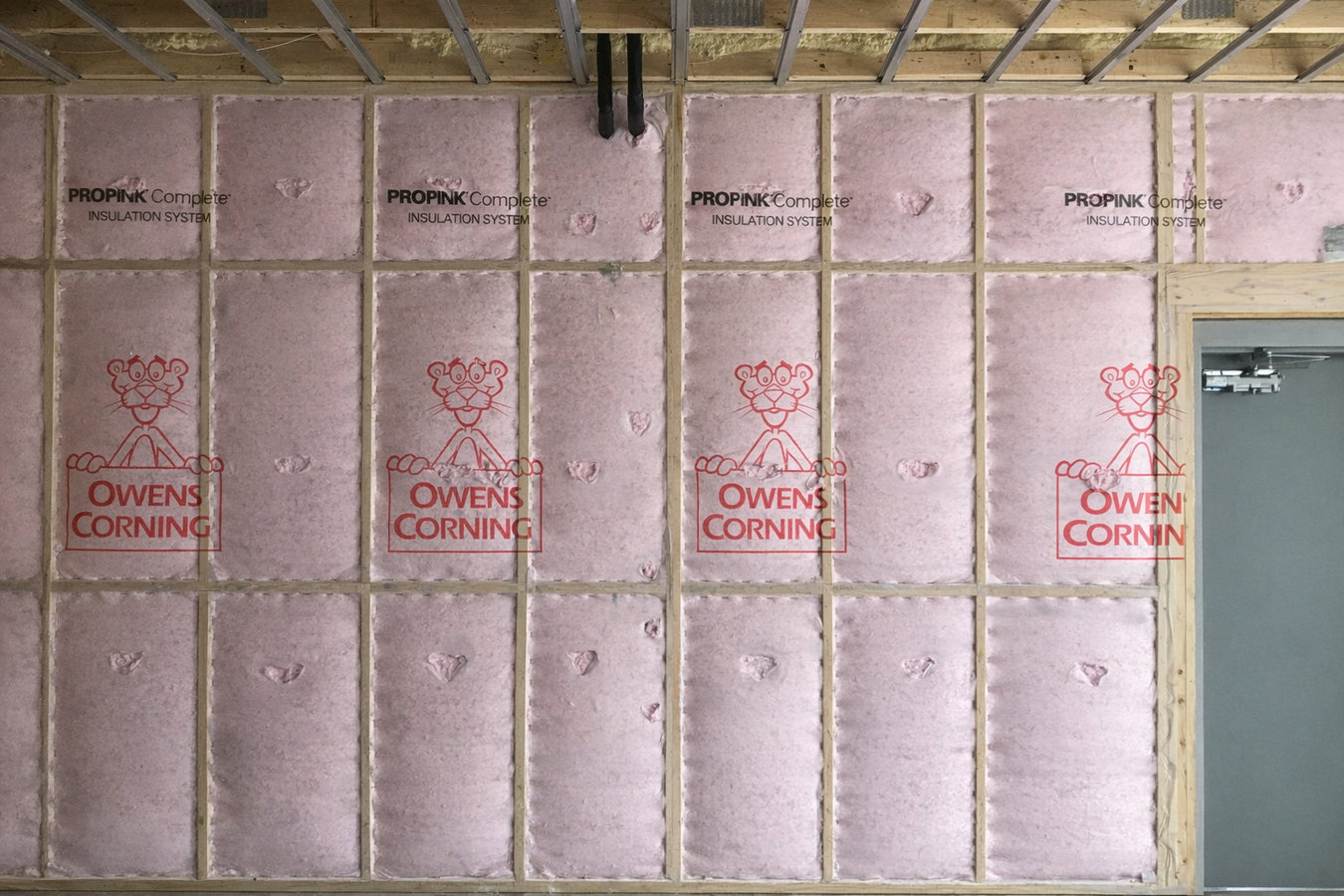
For homes where walls are open during a renovation, batt insulation fits cleanly between studs before drywall goes up. For finished walls, blown-in dense-pack material reaches every corner of the cavity through small access holes that are patched before we leave.
If your heating and cooling costs feel disproportionately high compared to similar-sized homes on your street, your walls may be letting conditioned air escape. Danville's climate puts real demand on your HVAC system in both seasons, and under-insulated walls are one of the most common reasons a system runs longer than it should.
On a cold winter day, hold your hand a few inches from an exterior wall. If it feels noticeably cooler than your interior walls, heat is moving through that wall faster than it should. Well-insulated walls stay close to room temperature even when it is freezing outside - what you feel is a direct indicator of what is missing.
Homes built in Danville's older neighborhoods before modern energy codes were adopted were routinely built with empty wall cavities. If you have lived in your home for years and cannot recall any insulation work being done, and the home is more than 40 years old, there is a strong chance your walls have little or nothing in them - a significant and fixable source of energy loss.
Electrical outlets and light switches on exterior walls often have small gaps behind them that connect directly to the wall cavity. If you feel a draft or cool air coming from these spots on a cold day, that is a strong indicator the cavity behind them is empty or poorly insulated. You can check this without any tools - just hold your hand near the outlet cover.
For most finished homes in Danville, blown-in dense-pack insulation is the go-to solution. We drill small access holes at regular intervals, fill the cavity under pressure so material reaches every corner, then patch the holes and leave the wall ready to paint. This is the same approach we use for blown-in insulation throughout the home - it works on walls, floors, and attics without requiring demolition.
When walls are open during a renovation or addition, batt insulation - fiberglass or mineral wool - fits between studs for a clean installation before drywall closes everything up. We also pair wall insulation with air sealing services when gaps and penetrations need to be addressed at the same time, which is often more cost-effective than doing them separately.
Best for finished walls where drywall or plaster is staying in place - no demo required, just small holes that disappear after patching.
Suits open-wall renovations and new additions where studs are exposed before drywall goes up.
Ideal when the assessment reveals both empty cavities and air gaps - addressing both in one visit cuts total project cost.
For older Danville homes with unique wall assemblies, plaster, or knob-and-tube wiring that requires extra care during installation.
A large share of Danville's residential neighborhoods - particularly around Schoolfield, Holbrook-Ross, and the historic downtown blocks - feature homes built in the 1920s through 1960s, long before modern insulation standards existed. These homes were commonly built with empty wall cavities. Danville's mixed climate makes that a year-round problem: winters are cold enough to drive up heating bills from November through March, and summers are hot and humid enough that an under-insulated exterior wall turns your air conditioner into a machine that runs constantly without ever quite winning. Humidity also means moisture management inside wall cavities is a real concern - the wrong material or approach in Danville's Piedmont climate can trap moisture and create mold over time.
We work on homes throughout the area, including Martinsville and Eden, NC, where older housing stock and similar Piedmont climate conditions create the same wall insulation needs. Appalachian Power serves most of Danville and periodically offers rebate programs for qualifying insulation improvements - ask us about current availability before your project starts so you can capture every dollar of savings.
We reply within one business day. We will ask a few basic questions - your home's age, whether walls are finished, and what is prompting the call - so we come prepared to assess accurately on the first visit.
We walk your exterior walls and may use a thermal camera or probe to confirm whether insulation is present. No price is quoted until we understand the full scope - any contractor quoting a number without seeing your home first is guessing.
You receive a written estimate listing the method, material, quantity, and total cost - no vague line items. Review and compare it against other estimates before deciding. There is no pressure to commit on the spot.
The crew drills, fills, patches, and cleans up - you can stay home throughout. Before we leave, we show you the material ticket confirming exactly how much insulation went in. Hold onto that document; it is your proof the job was done to spec.
No pushy sales calls. We give you a written estimate after seeing your home - free, no obligation.
(434) 425-0970A large share of homes we work on in Danville were built before modern energy codes - with plaster walls, older wiring, and wall assemblies that do not match new-construction playbooks. We know what to expect in an older home and approach each one accordingly, not as if it were a new build.
Underfilling a wall is the most common shortcut in blown-in insulation work. We document every job with a material ticket showing exactly how much was installed and hand it to you before we leave. You can verify the work matches the estimate - that is not standard everywhere, but it should be.
Danville's humid summers mean any wall insulation project that ignores moisture can create mold problems down the road. We assess your wall assembly before recommending a material - not afterward. This is especially important in older homes where the wall construction does not match what modern insulation products assume.
We serve homeowners across 12 communities in Virginia and North Carolina - from Danville to Lynchburg to Greensboro. That reach means consistent crew quality across the region, backed by NAIMA industry standards for installation best practices.
When you call us, you talk to someone who knows Danville homes - not a call center. Every estimate comes after a real in-person visit, and every job is backed by documentation you can keep.
Plug the gaps in your attic, crawl space, and rim joist so conditioned air stays where you paid to put it.
Learn moreLoose-fill material blown directly into wall cavities and attic floors for fast, thorough coverage.
Learn moreSpots book out quickly before heating season - reach out now and start saving on your energy bills this winter.