Loading...
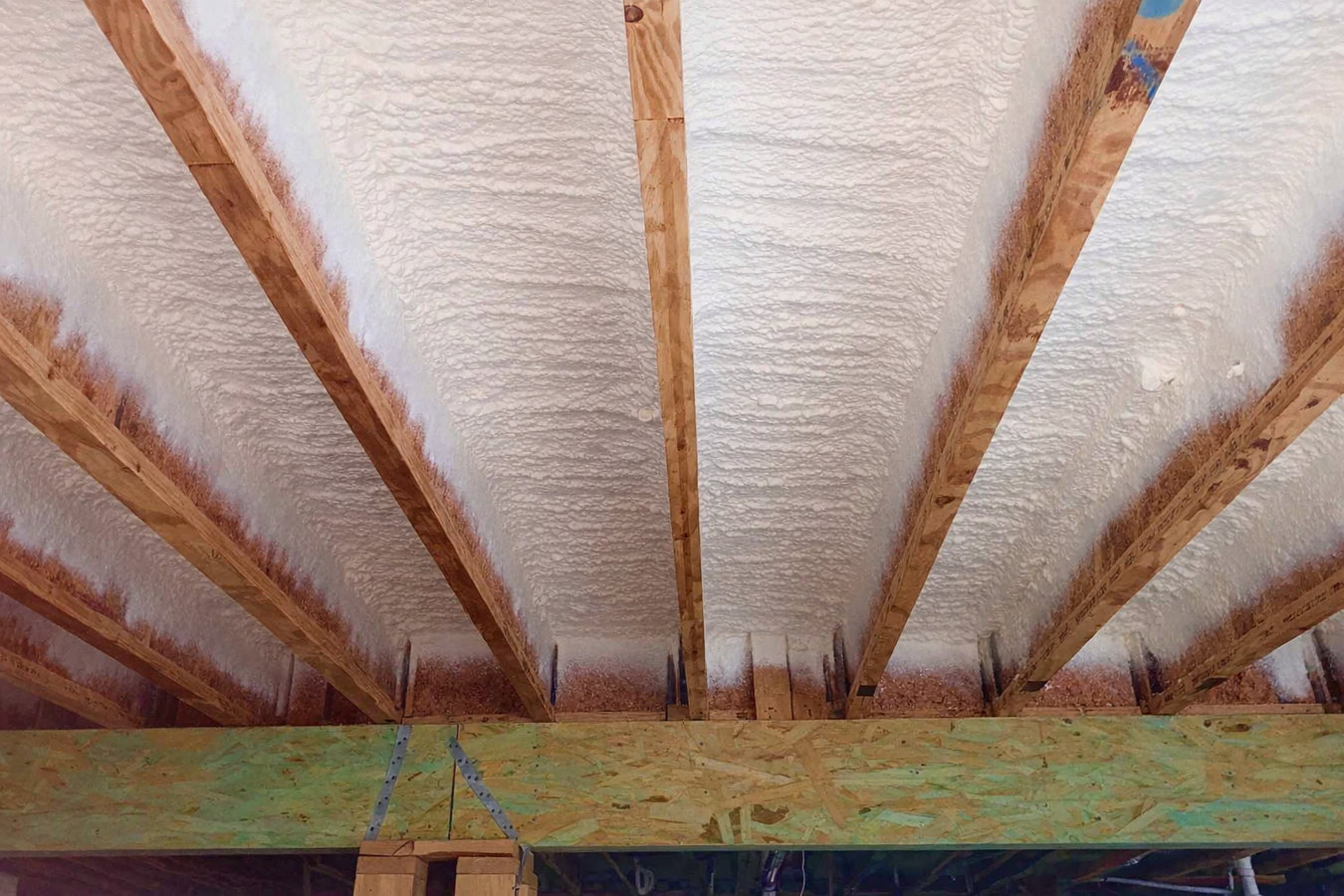
Cold floors, high energy bills, and musty smells from below are signs your crawl space is working against you. We fix that with insulation and moisture control built for Danville's climate.
Crawl space insulation in Danville puts a thermal barrier between the cold ground and your living floors - most jobs are complete in one to two days and make a noticeable difference in floor temperature within the first heating season. When the space below your floors is open to outside air and ground moisture without adequate insulation, the heat your system produces escapes downward before it ever reaches the rooms you live in.
A large share of Danville's housing stock was built in the mid-20th century - think the Schoolfield neighborhood and the historic districts near the Dan River - and those homes almost always have vented crawl spaces with little or no effective insulation left. Whatever original material is there has spent decades absorbing Danville's summer humidity. Pairing fresh insulation with a solid crawl space vapor barrier is often the right call in this climate, because moisture control and insulation work together.
If your floors have always been cold, your energy bills seem high for the size of your home, or you notice a musty smell drifting up from below, your crawl space is likely where the problem starts.
If you walk across your living room or kitchen in winter and the floor feels noticeably cold, that is a strong sign cold air is moving up from an uninsulated or under-insulated crawl space below. This is especially common in older Danville homes with hardwood or vinyl floors laid directly over a vented crawl space. The heat your system produces is escaping through the floor before it warms the room.
Danville's humid summers push a lot of moisture into crawl spaces that are not properly sealed. If you smell something musty or earthy, especially in rooms on the ground floor, that odor is often coming up from below. It is a sign that moisture is accumulating, which can lead to mold growth on the wood framing if it is not addressed.
If your utility bills have increased noticeably without a clear reason, a poorly insulated crawl space could be the culprit. When conditioned air escapes through the floor and unconditioned outside air enters through foundation vents, your HVAC system runs longer to maintain your set temperature. This is a common and often overlooked source of energy waste in Danville's older housing stock.
If you have looked into your crawl space and seen batts of insulation sagging between the floor joists, moisture has already gotten in and the material has lost its effectiveness. Wet insulation does not insulate - it holds moisture against your wood framing. This is a very common finding in Danville homes built before 1980 that have never had their crawl space insulation updated.
We install floor joist insulation and full crawl space encapsulation depending on what your home needs. Floor joist insulation fits new batts or spray foam between the joists that support your floors - it is a straightforward upgrade for homes where moisture is not yet a major concern. Full encapsulation goes further, sealing the entire crawl space with a heavy plastic liner and closing off foundation vents to create a dry, stable environment that holds up year-round. We can also pair either approach with a wall insulation upgrade if you want to tackle the full thermal envelope of your home at once.
Before we recommend anything, we physically enter the crawl space and look at what is there. If old insulation is sagging, wet, or contaminated, we remove it first so the new material starts in a clean space. We also check for moisture staining, wood damage, and any signs of pest activity that should be addressed before insulation goes in. If a permit is required - which is common when foundation vents are being sealed - we handle that paperwork for you.
Best for homes where moisture is manageable and the primary goal is stopping heat loss through the floor into the living areas.
Suited for homes near the Dan River or in low-lying neighborhoods where ground moisture is a persistent year-round problem.
For homes where existing batts are sagging, wet, or past their useful life and need to come out before new material goes in.
Paired with insulation for homes where ground moisture is the primary driver of floor cold and musty smells.
Danville's humid subtropical climate puts crawl spaces under moisture stress in every season. Hot, humid summers push ground moisture upward through unprotected crawl spaces, while cool and sometimes damp winters mean the space never really gets a break. Homes in neighborhoods like Schoolfield and the Green Hill area - built between the 1920s and 1970s - almost always have vented crawl spaces with original insulation that was never designed to handle this level of persistent moisture. Homeowners across Danville and out toward Eden, NC deal with similar housing ages and similar ground-moisture challenges.
Homes near the Dan River and in lower-elevation parts of the city carry elevated risk because the ground stays wet longer after rain events. A basic insulation job without moisture control will often fail within a few years in those locations - the material absorbs ground moisture and loses its insulating value before you get the payback you were expecting. That is why we assess your specific site conditions before recommending a scope of work, rather than offering the same solution for every house.
We ask about your home's age, whether you have noticed cold floors or musty smells, and whether you know if there is existing insulation in the crawl space. We reply within 1 business day and schedule an in-person assessment - this visit is free and typically takes 30 to 45 minutes.
A crew member physically enters the crawl space and inspects what is there - existing insulation condition, signs of moisture or mold, ventilation setup, and any pest activity. After the inspection, we walk you through what we found in plain terms and explain what we recommend and why.
You get a written estimate that breaks down what is being removed, what is being installed, and whether a permit is required. If the City of Danville's building office needs to be involved, we handle that on your behalf - you do not have to navigate the permit process yourself.
The crew works through the crawl space access hatch - your living areas stay clean throughout. The job typically takes one full day. Before we leave, we walk you through the finished space and tell you what to watch for in the coming weeks.
We reply within 1 business day, come out to look at the space in person, and give you a written estimate before any work begins. No commitment required.
(434) 425-0970Some contractors quote crawl space jobs from the access hatch without going inside. We physically enter the space and inspect every corner - the moisture staining, the condition of the wood, the state of the existing insulation. You cannot properly scope or price a crawl space job without seeing what is actually there.
Projects that involve sealing foundation vents typically require a permit from the City of Danville's Building and Development Services office. We pull that permit on your behalf and coordinate any required inspection. Permitted work gives you documentation that matters if you ever sell your home - unpermitted crawl space work is a common flag on buyer inspections.
We have been working in Danville and across southern Virginia and northern North Carolina since 2023. We know the older housing stock here - the tight crawl spaces under mill-era bungalows, the moisture conditions near the Dan River - and we come prepared for what those homes actually look like inside.
We do not let inquiries sit for days before someone calls back. Every request - phone or form - gets a response within 1 business day. That speed matters when cold floors or a musty smell are affecting your daily life and you want to know what the fix looks like and what it will cost.
We recommend only what your specific crawl space actually needs. If a vapor barrier is not necessary for your site, we will tell you that - and if encapsulation is the right call given your location and moisture history, we will explain exactly why before you decide.
For independent information on crawl space insulation best practices, visit the U.S. Department of Energy Crawl Space Insulation guide or ENERGY STAR crawl space guidance.
Tackle heat loss through exterior walls alongside your crawl space - a complete lower-envelope upgrade for older Danville homes.
Learn moreA ground-level vapor barrier paired with insulation gives your crawl space lasting moisture protection that insulation alone cannot provide.
Learn moreCall or submit a request today. We respond within 1 business day and come out to look at the space before recommending anything.