Loading...
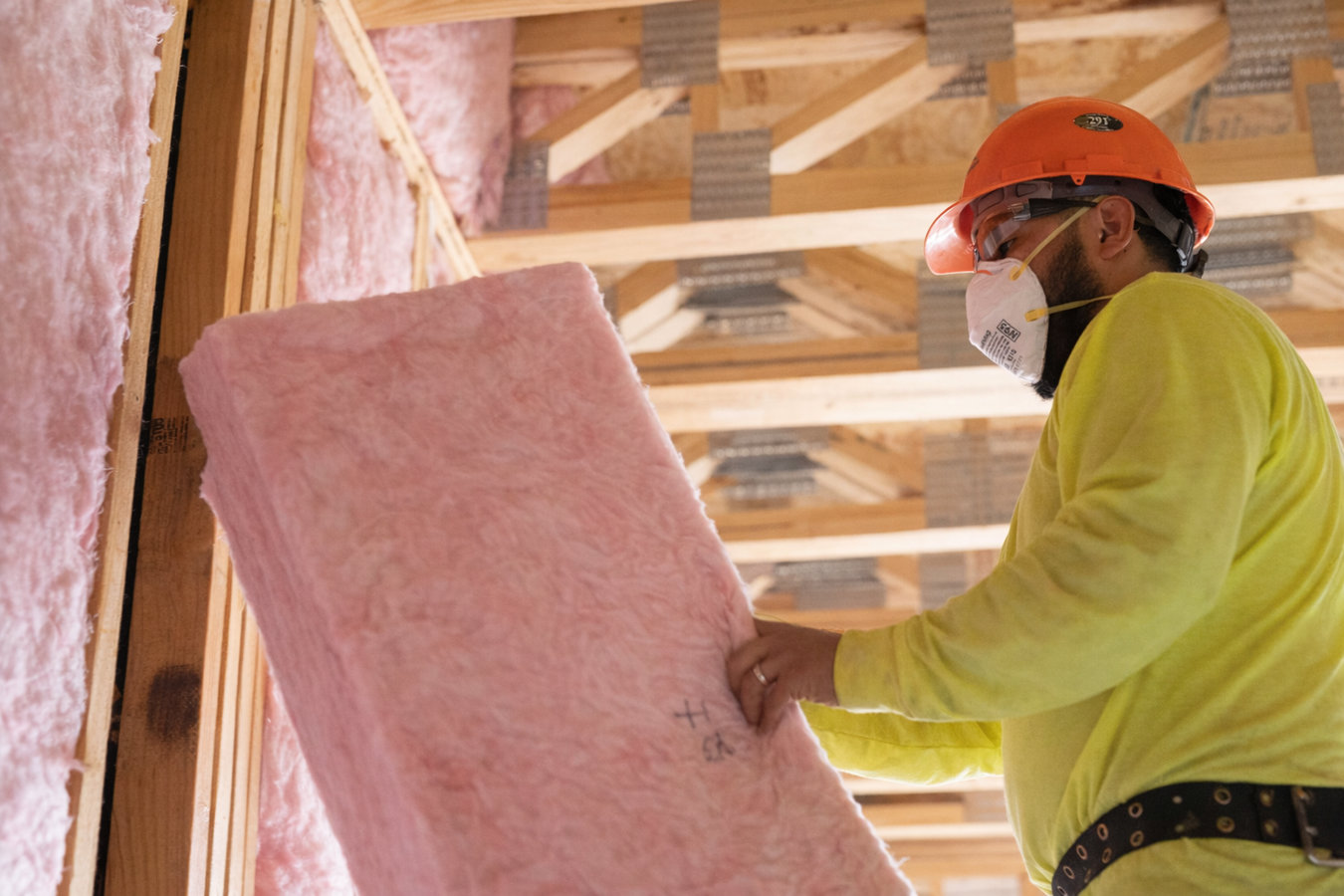
Your older Danville home was built before insulation mattered to anyone. We add it now - to your attic, crawl space, and walls - without tearing anything apart, so you get modern comfort from the home you already have.
Retrofit insulation in Danville means adding blown-in or spray foam insulation to a home that is already built - working through attics, crawl spaces, and small access points to get material where it needs to go. Most attic jobs take one day or less. Crawl space work may take a full day. You can stay home throughout and use your home normally the same day the work is done.
In Danville, retrofit insulation almost always starts with the attic - heat rises, and an under-insulated attic floor is typically where the biggest energy losses happen. But for homes on crawl space foundations, addressing the crawl space delivers the most dramatic comfort improvement, especially in rooms where cold floors have been a problem for years. A good contractor will walk both areas during the estimate and explain which to prioritize. Many homeowners choose to pair the work with spray foam insulation for rim joists and crawl space walls, where blown-in alone does not form an air seal.
Virginia follows the International Energy Conservation Code, which sets attic insulation levels that most pre-1980 Danville homes simply do not meet. Bringing your home up to current standards affects both comfort and resale value - a home inspection during a sale will flag under-insulated attics, and home insulation addressed now is one of the more cost-effective improvements you can make before listing a property.
If your second floor is noticeably hotter in summer or colder in winter than the main floor, heat is moving through your ceiling and attic unchecked. In Danville's summers, this is one of the most common complaints - the air conditioner runs all day but the upstairs never really cools down. Proper attic insulation acts like a lid on your home, keeping heat where it belongs.
If your energy bills feel out of proportion to the size of your home, under-insulation is one of the first things worth checking. Danville homeowners in older neighborhoods like Schoolfield or the West End often discover their homes are losing significant energy through attics and crawl spaces that were never properly treated. A quick contractor assessment can tell you whether insulation is likely the cause.
Cold floors are a classic sign of an uninsulated or poorly sealed crawl space below. This is especially common in Danville's older housing stock, where crawl spaces were often left open or minimally treated. If you notice drafts near the floor or your feet are cold even with the heat running, the crawl space is worth a thorough look.
If your home was built before the early 1980s and you have no record of insulation work, the odds are high that it falls short of today's standards. Danville has a substantial number of homes in this category across its historic residential neighborhoods. A free estimate will tell you exactly what you have and what it would take to get to a comfortable, efficient level.
We start every project with an in-home assessment - measuring what is already in your attic, checking your crawl space for moisture and access conditions, and identifying any air leaks that should be sealed before insulation goes in. Sealing first is the sequence the Department of Energy recommends, because gaps buried under new insulation are nearly impossible to address later. We use blown-in loose-fill fiberglass or cellulose for attics and inaccessible wall cavities, where the material fills irregular spaces without leaving voids. For rim joists, crawl space walls, and tight spots where an air seal matters as much as the R-value, spray foam insulation handles both jobs in one application.
For Danville homes where comfort is the primary goal, we often combine attic and crawl space work in a single project window so both halves of the thermal envelope are addressed at once. We also pair retrofit work with home insulation assessments for homeowners who want a complete picture of their home before deciding where to invest first. The total cost depends on scope, but we provide a written estimate that breaks out materials and labor so you have what you need for tax credit documentation.
Best for homes where the attic is the primary heat loss point - blown-in material added over a sealed attic floor to meet or exceed current Virginia code requirements.
Suited to Danville homes on crawl space foundations where cold floors and drafts are the most obvious symptom of missing insulation below the living space.
For homes where exterior walls are empty or inadequately filled - dense-pack blown-in material added through small access holes that are patched after installation.
For homeowners ready to address both ends of the thermal envelope at once - the most cost-effective approach when both areas need attention in a Danville home.
Danville sits in Virginia's Piedmont region, where summer temperatures regularly climb into the low 90s and winter lows can drop into the 20s. That wide swing means your home's insulation is working hard in both directions - keeping heat out in July and holding it in during January. Danville also carries one of the largest shares of pre-1960 housing in Virginia, with neighborhoods like Schoolfield containing homes over a century old that were built when insulation was an afterthought. The energy crisis of the 1970s is what pushed builders to take insulation seriously - meaning most Danville homes built before that era have far less than a home built today. Homeowners in Danville often find that a single retrofit project makes a more noticeable difference than any other single home improvement they have done.
A large portion of Danville's housing stock sits on crawl space foundations, which are common throughout the Virginia Piedmont. An uninsulated crawl space lets cold air pour in under floors in winter and allows moisture to build up year-round - something Danville's humid summers make worse. Addressing the crawl space as part of a retrofit project is often where homeowners see the biggest comfort improvement, especially in rooms that have always been drafty. The same is true in nearby Rocky Mount, where the housing stock and climate conditions are similar. Dominion Energy Virginia, which serves most Danville homes, has offered rebates for insulation improvements - confirming eligibility before your project starts is worth the five-minute phone call.
When you reach out, we typically ask your home age, size, and what is bothering you most - high bills, uncomfortable rooms, or cold floors. This takes two minutes and helps us come prepared to the estimate rather than starting from zero.
We visit your home, measure what is in your attic and crawl space, check for moisture or pest issues that should be resolved first, and identify air gaps worth sealing before insulation goes in. You get a written quote that breaks out materials and labor - useful for tax credit filing later.
The crew seals air gaps first, then installs insulation material. For an attic job, this typically takes a few hours. Combined attic and crawl space work may take a full day. The work is not loud or highly disruptive - most homeowners go about their normal routine.
When the work is done, we walk you through what was installed. Attic insulation is visible - you can see the even, consistent layer across the floor with no thin spots. Keep your itemized receipt for federal tax credit documentation at year end.
We will walk your attic and crawl space, tell you exactly what we find, and give you a written quote with no obligation and no sales pitch.
(434) 425-0970Every retrofit starts with a free written estimate that lays out the scope and the price before any work begins. You get a clear document to review in under a minute, so there are no surprises once the crew starts pulling old material and adding new insulation.
We work across Danville and 11 surrounding communities, which means we see the regional housing stock regularly. The pre-1960 crawl-space ranchers in Danville, the older brick homes near downtown, and the mill housing in Schoolfield are all part of our daily work - not occasional exceptions we encounter by accident.
A contractor who skips air sealing and just blows material in on top leaves a significant share of the benefit on the table. We seal gaps around light fixtures, pipes, and hatches before any insulation goes in - the sequence that delivers full performance. The ENERGY STAR seal-and-insulate standard reflects exactly this approach, and it is how we do every job.
The federal tax credit for insulation improvements applies to materials, not labor - which means the receipt format matters. We provide itemized documentation that separates material and labor costs so you have exactly what the IRS requires at tax time. Most contractors do not think about this until a customer asks; we include it by default.
We approach every retrofit project as if we were insulating our own home - thorough assessment, honest scope, and documentation that holds up. That is what keeps Danville homeowners calling us back when the next area of their home needs attention.
For rim joists, crawl space walls, and hard-to-reach cavities where blown-in material cannot form an air seal on its own, spray foam handles both jobs at once.
Learn moreA comprehensive look at all the insulation options for your entire home - from attic to crawl space - so you understand what each area needs and why.
Learn moreWe are booking projects now - lock in your date before the fall rush fills our calendar and get your home ready before the coldest months arrive.